
Which Upgrades Are Worth It in a Semi-Custom New Construction Home (and What Isn’t)
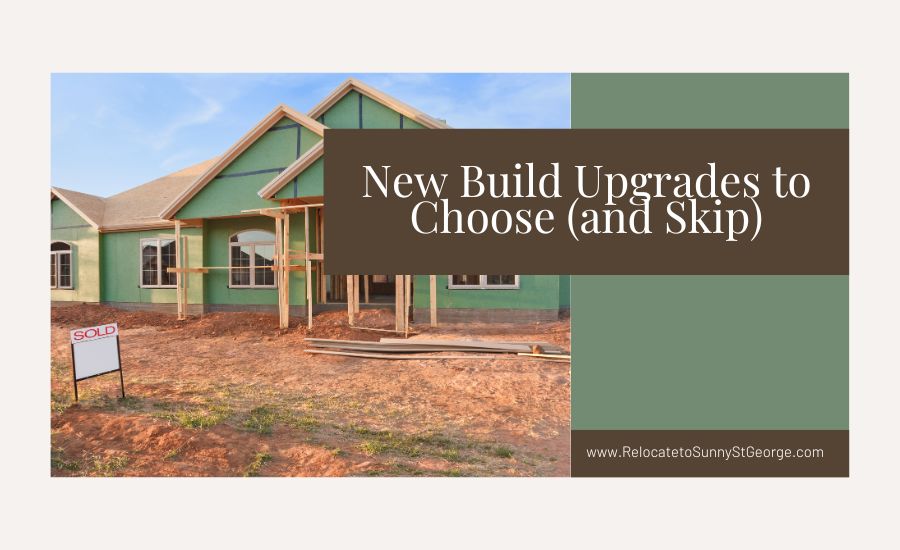 Buying a new construction home in St. George means an exciting opportunity to customize without dealing with a renovation, but you need to know which upgrades are worth it. When you choose a semi-custom home, you will be able to select from different features and finishes, and having a plan will help you make confident decisions you won't regret. Here's what you might want to know before deciding on any upgrades.
What is a Semi-Custom New Home?
First, let's clarify what we mean by semi-custom. There are different types of new construction homes, and each offer a different level of customization. Some new builds are sold with finishes and design selected by the builder, while fully custom homes are designed entirely by the homeowner and a team of architects and builders.
Semi-custom homes offer a blend of customization and convenience. Unlike a fully custom home, where every detail is chosen from scratch, a semi-custom home starts with a base model provided by the builder. You can then personalize certain aspects, such as layout modifications, finishes, and fixtures, to better suit your style and needs. Semi-custom homes are an excellent option for those who want a unique home without the time and cost commitment of a fully custom build.
The Upgrade Process
During the process of buying a semi-custom home, you will have a chance to select from upgrades. The builder will offer design selections as a part of a builder-included package, and then there are usually features and finishes available beyond that list for an added fee.
The cost of these upgrades becomes a part of the overall home price, so it gets rolled into your mortgage. That's a great thing for buyers who don't want to pay cash or use credit cards to upgrade their homes, especially since the interest rate on the mortgage will likely be lower than any other form of credit you use.
However, you do run the risk of ending up with a home that costs far more than you originally anticipated, or paying so much in upgrades that you've spent more than you will recoup. It's important to understand which upgrades are worth the investment, and which should be done by someone other than the builder after you move in.
Upgrades Worth the Investment
Here are some upgrades that are typically worth the splurge when working with a builder:
Structural Upgrades
These are upgrades that are far more difficult and expensive to change later, such as:
- Additional Bedrooms or Bathrooms: If you think you’ll need the extra space, it’s far more cost-effective to include it during the building process.
- Expanded Floor Plans: Adding a sunroom, finished basement, or extended living space can increase your home’s functionality and resale value.
- Upgraded Foundation or Energy-Efficient Insulation: These upgrades provide long-term benefits, saving you money on repairs and energy bills.
Electrical and Plumbing Upgrades
It’s worth spending extra to ensure your home has:
- Additional Outlets and Lighting Fixtures: It’s much easier for the builder to add these during construction than to retrofit them later.
- Rough-Ins for Future Additions: If you think you’ll want a wet bar, extra bathroom, or smart home system later, pre-installing the necessary plumbing or wiring saves a lot of trouble.
Energy-Efficient Features
Opting for upgrades like energy-efficient windows, HVAC systems, and solar panels will save you money in the long run and make your home more appealing to eco-conscious buyers.
Kitchen Layout and Appliances
The kitchen is the heart of the home and a financially smart place to invest in upgrades, so focus on upgrades like:
- High-Quality Cabinets: Builder-grade cabinets may look fine now but wear out faster. Choose materials that will last.
- Functional Layouts: Consider adding extra cabinetry, larger islands, or pantry space if it fits your lifestyle.
Flooring
Upgrading from carpet to hardwood or luxury vinyl planks in main living areas adds sophistication and durability. It’s also more cost-effective to have this done during the initial construction process than to replace builder-grade materials later.
Upgrades to Skip
While some builder upgrades are worthwhile, others are better handled after you move in:
Cosmetic Finishes
- Paint Colors: Builders often charge a premium for custom wall colors. Save money by opting for the builder’s standard color and repainting later.
- Decorative Hardware and Fixtures: It’s easy to swap out light fixtures, faucets, or cabinet hardware after move-in at a fraction of the cost.
Landscaping
Builders often offer basic landscaping packages that are expensive but uninspired. If you have a green thumb or a vision for your outdoor space, you can often achieve better results by hiring a landscaper or doing it yourself after closing.
Outdoor Structures
Decks, patios, and fences are often marked up significantly when done by builders. Consider hiring a local contractor for these projects once you’ve settled in.
Built-In Features
Built-in bookshelves or entertainment centers can be beautiful but costly. Freestanding furniture can achieve a similar look for less, and you’ll have the flexibility to rearrange later. Adding built-ins later is also relatively simple; there's not much advantage to installing them during construction.
Upgraded Flooring in Secondary Bedrooms
If you’re upgrading to hardwood or tile but don't have the budget to do the whole home, focus on high-traffic areas like the kitchen, living room, and hallways. Secondary bedrooms can be updated later if needed.
Ready to learn more about homes for sale in St. George? Contact us any time.


Post a Comment